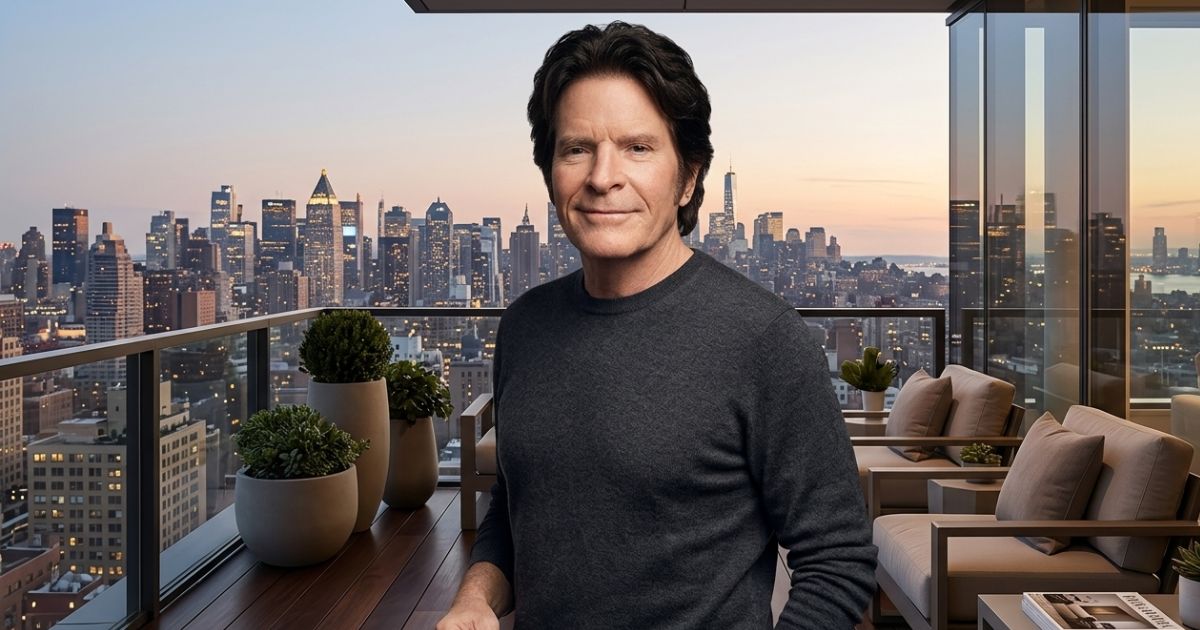
Imagine a young man standing on a small stage in Northern California, guitar in hand, belting out raw, soulful rock that somehow sounded like it came straight from the swamps of Louisiana. That kid from El Cerrito was John Fogerty, and his music would go on to define an era, inspire millions, and build a lasting legacy that still echoes today. John Fogerty’s net worth and life story reveal more than just dollars and cents. They tell the tale of grit, talent, and an unbreakable spirit that turned humble beginnings into rock and roll history. Even now, at 80 years old in 2026, the Creedence Clearwater Revival frontman continues to tour, record fresh versions of his classics with his sons, and remind fans why his songs feel timeless.
John Fogerty Profile at a Glance
| Field | Details |
|---|---|
| Legal Full Name | John Cameron Fogerty |
| Common Alias / Professional Name | John Fogerty |
| Birth Date | May 28, 1945 |
| Current Age | 80 (turns 81 in May 2026) |
| Place of Origin | Berkeley, California (grew up in El Cerrito, California) |
| Citizenship | United States |
| Primary Professions | Singer, songwriter, guitarist, musician |
| Signature Achievements | Led Creedence Clearwater Revival to nine top-10 hits; Rock & Roll Hall of Fame inductee (1993); Grammy winner; Songwriters Hall of Fame; Baseball Hall of Fame for “Centerfield” |
| Physical Stature | Height: 5 feet 11 inches (1.80 m); slim, energetic build |
| Relatives / Partner(s) | Married to Julie Lynne Kramer (since 1991); three children with Julie (Shane, Tyler, Kelsy) plus stepdaughter Lyndsay; three children from first marriage to Martha Paiz (Josh, Sean, Laurie) |
| Academic Background | El Cerrito High School; brief time at Contra Costa College |
| Online Presence Metrics | Instagram: 495,000 followers; X (Twitter): 174,000 followers; Facebook: over 1.7 million likes |
| Philanthropic Involvement | Supports causes like children’s education, cancer research, first responders’ families, and veterans’ tributes |
| Approximate Wealth | $110 million (estimated as of 2026) |
This quick snapshot shows the man behind the music: a family guy, a fighter, and a true American original whose career has spanned more than six decades.
Formative Years and Roots
John Fogerty grew up in a working-class family in El Cerrito, just across the bay from San Francisco. Born the third of five boys to a printer father and a schoolteacher mother, he faced some tough times at home. His parents struggled with alcohol and later divorced when he was young. School brought its own challenges. He started at a strict Catholic school before switching to public ones in the area.
Music became his escape and his passion early on. By junior high, he formed a band called the Blue Velvets with school friends Doug Clifford and Stu Cook. His older brother Tom soon joined on rhythm guitar. They played sock hops and local gigs, dreaming big while practicing in garages. Fogerty soaked up influences from rock pioneers like Little Richard and Bo Diddley, but he also drew from country, blues, and folk. Those Bay Area roots shaped his unique “swamp rock” sound. Even though he never lived in the South, songs like “Born on the Bayou” painted vivid pictures that felt completely real. His early drive showed one clear truth: talent plus hard work can turn a local band into legends.
Professional Evolution and Triumphs
The band changed its name to Creedence Clearwater Revival in 1967 and exploded onto the scene in 1968. Between 1968 and 1972, CCR released hit after hit: “Proud Mary,” “Bad Moon Rising,” “Fortunate Son,” “Down on the Corner,” and many more. They sold millions of records, earned gold albums, and became one of the biggest acts of the Vietnam War era. Fogerty wrote almost every song, sang lead, and played lead guitar. His clear voice and catchy riffs made the music feel urgent and alive.
After CCR broke up in 1972, Fogerty went solo. His 1985 album Centerfield brought him back to the top with the title track, now a baseball stadium staple. He earned Grammy awards and kept touring. In recent years, he released Legacy: The Creedence Clearwater Revival Years, featuring new recordings of classic songs with his sons Shane and Tyler on guitar. These fresh takes prove his music still inspires new generations.
Honors poured in over time. He entered the Rock & Roll Hall of Fame with CCR in 1993, joined the Songwriters Hall of Fame, and even saw “Centerfield” honored in the Baseball Hall of Fame. His journey from garage bands to global stages shows what happens when passion meets persistence.
Intimate Sphere and Connections
Family has always mattered deeply to John Fogerty. He married his first wife, Martha Paiz, in 1965, and they had three children: Josh, Sean, and Laurie. That marriage ended in the late 1980s. In 1986 he met Julie Lynne Kramer while on tour. They married in 1991 and built a blended family together. They have three children of their own (Shane, Tyler, and Kelsy), and Julie brought her daughter Lyndsay into the family. In total, Fogerty has seven kids who fill his life with joy and music.
Today, he and Julie enjoy a quiet life together. Their sons often join him on stage and in the studio. Fogerty has spoken about how his family helped him through hard times. He stays active, keeps a positive outlook, and finds balance away from the spotlight. His story reminds readers that success feels sweetest when shared with loved ones.
Wealth Breakdown and Economic Insights
So how did John Fogerty build his impressive fortune? His estimated net worth sits at around $110 million in 2026. This figure comes from decades of smart moves in music and business. CCR’s massive catalog still generates strong royalties from radio play, streaming, and licensing. Even though he fought hard for control of his songs, those classics keep paying dividends.
Solo albums, world tours, and recent re-recordings add fresh income. Merchandise, songwriting credits, and appearances at major events bring in more. Real estate has played a role too. In 2023 he bought a beautiful Hidden Hills estate from actor Sylvester Stallone for $17 million. Earlier properties in California have also appreciated nicely.
Fogerty never chased fame for money alone. He focused on creating honest music and protecting his work. That steady approach, plus careful investments, turned artistic success into lasting financial security. Experts note that net worth estimates like this come from public records, sales data, and industry reports. They can shift with new projects, but the core remains his timeless catalog and loyal fans.
Challenges and Comebacks
No great story lacks obstacles, and Fogerty faced plenty. After CCR’s breakup, bitter contract disputes with their record label left him without full rights to his own songs for years. He refused to play CCR material in concert for more than a decade because it hurt too much. A lawsuit even claimed one of his new solo songs sounded too much like an old CCR track. He won that case in court, proving artistic integrity matters.
Personal losses hit hard. His brother Tom died in 1990. Band tensions and industry pressures tested his spirit. Yet Fogerty kept writing and performing. In 1987 he played CCR songs again at a Vietnam veterans’ tribute, and the connection with fans gave him new energy. His 1985 comeback album and later triumphs showed real resilience. He turned pain into power and reclaimed his catalog rights around 2023. Those experiences teach a powerful lesson: setbacks can fuel stronger returns when you stay true to yourself.
Cultural Influence and Enduring Mark
John Fogerty helped shape rock music and American culture. His songs captured the spirit of the late 1960s and early 1970s. Tracks like “Fortunate Son” became anthems against war and inequality. “Proud Mary” and “Have You Ever Seen the Rain” still play everywhere from classic rock stations to modern playlists. Young musicians today study his guitar work and songwriting as master classes in storytelling.
Beyond music, he supported veterans and performed at benefit shows for causes close to his heart. His influence stretches into sports stadiums, movies, and TV. Fogerty proves one artist with heart and honesty can leave a mark that lasts generations. His legacy encourages everyone to chase dreams with courage and creativity.
Reader Queries: Straight Answers
What drives John Fogerty’s success?
Love for music, relentless practice, and a deep desire to connect with listeners. He writes from the heart and never stops learning.
What key controversies has he faced?
Mainly legal battles over song rights and label contracts. He also dealt with band breakup drama and a strange lawsuit claiming he copied his own style. He handled each with dignity and came out stronger.
What are his most impactful contributions?
Creating unforgettable songs that defined an era, inspiring countless artists, and using his platform for veterans and charity work.
What future endeavors can fans expect?
More touring, new music with his family, and continued celebration of his catalog. At 80 he shows no signs of slowing down.
John Fogerty’s journey reminds us that real success comes from passion, perseverance, and staying grounded. Whether you’re a longtime fan or just discovering his music, his story offers inspiration for anyone chasing a dream. Keep listening, keep believing, and who knows? Your own bayou might be closer than you think.
You may also like: Emma Murphy Life Story and Wealth: From Heartbreak to Global Empowerment