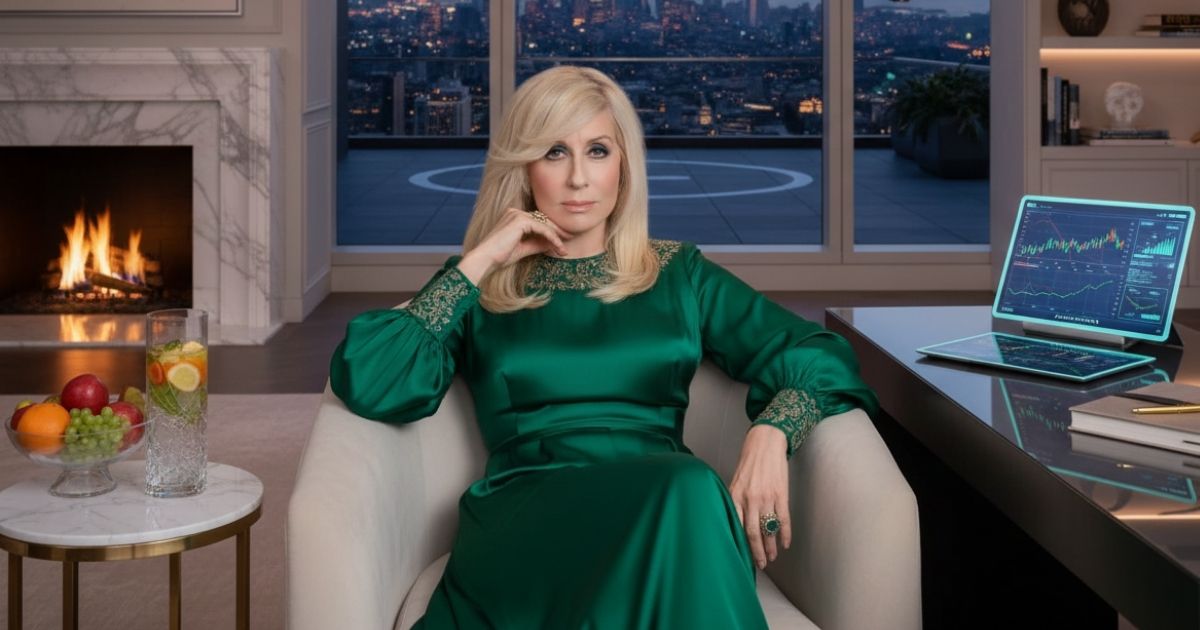
Imagine stepping onto a Broadway stage in the 1970s, heart pounding, only to face near financial ruin before a daring role on daytime television changes everything. This pivotal moment marks the beginning of Judith Light’s remarkable life story and wealth accumulation, a journey fueled by unwavering determination and groundbreaking performances that have captivated audiences for decades.
| Field | Details |
|---|---|
| Legal Full Name | Judith Ellen Light (née Licht) |
| Common Alias / Professional Name | Judith Light |
| Birth Date | February 9, 1949 |
| Current Age | 76 |
| Place of Origin | Trenton, New Jersey, USA |
| Citizenship | American |
| Primary Professions | Actress, Producer |
| Signature Achievements | Two Daytime Emmy Awards for “One Life to Live” (1980, 1981), two Tony Awards for “Other Desert Cities” (2012) and “The Assembled Parties” (2013), Primetime Emmy Award for “Poker Face” (2024), Isabelle Stevenson Tony Award for philanthropy (2019), Star on Hollywood Walk of Fame (2019) |
| Physical Stature | Height: 5 feet 7 inches (1.70 m), slender build |
| Relatives / Partner(s) | Married to actor Robert Desiderio since 1985, no children; parents: Pearl Sue (model) and Sidney Licht (accountant) |
| Academic Background | Graduated from St. Mary’s Hall-Doane Academy in 1966; BFA in Drama from Carnegie Mellon University (1970) |
| Online Presence Metrics | Instagram: Approximately 103,000 followers; active on platforms sharing insights on acting and advocacy |
| Philanthropic Involvement | Longtime advocate for HIV/AIDS awareness and LGBTQ+ rights; serves on boards of Matthew Shepard Foundation, Point Foundation, and MCC Theatre |
| Approximate Wealth | $16 million |
Formative Years and Roots
Judith Light grew up in a supportive Jewish household in Trenton, New Jersey, where creativity flourished. Her mother, Pearl Sue, worked as a model, inspiring a sense of poise and expression, while her father, Sidney, an accountant, provided stability and encouraged her dreams. From a young age, Judith showed a passion for performing, participating in school plays at St. Mary’s Hall-Doane Academy, where she graduated in 1966.
This nurturing environment sparked her love for the arts. She pursued formal training at Carnegie Mellon University, earning a Bachelor of Fine Arts in Drama in 1970. Those college years honed her skills in a rigorous program with just 15 classmates, building the foundation for a career that would demand both vulnerability and strength. Early influences included classic theater and the cultural shifts of the 1960s, which ignited her commitment to stories that challenge norms.
Professional Evolution and Triumphs
Judith Light’s path to stardom began on stage, where she built a reputation for depth and authenticity.
Breakthrough Roles
Her professional debut came in 1970 with “Richard III” at the California Shakespeare Festival, followed by Broadway in 1975’s revival of “A Doll’s House.” Facing financial struggles, she nearly quit acting until landing the role of Karen Wolek on “One Life to Live” in 1977. This complex character, a housewife grappling with addiction and prostitution, earned her two Daytime Emmy Awards and transformed her career.
Television Success
In 1984, Light starred as Angela Bower in “Who’s the Boss?,” a hit sitcom running eight seasons. Playing a divorced advertising executive opposite Tony Danza, she showcased humor and heart, making the show a cultural staple. Later roles included recurring parts in “Law & Order: Special Victims Unit” (2002-2010) as Judge Elizabeth Donnelly and “Ugly Betty” (2006-2010) as Claire Meade, earning a Primetime Emmy nomination.
Stage and Recent Accolades
Returning to the theater, Light won consecutive Tony Awards in 2012 and 2013 for “Other Desert Cities” and “The Assembled Parties.” Her work in “Transparent” (2014-2019) as Shelly Pfefferman brought multiple Emmy and Golden Globe nominations, highlighting her versatility. Recent projects include “Poker Face” (2023), where she won a Primetime Emmy, and upcoming roles in “All’s Fair” (2026) and “The Terror: Devil in Silver.”
Film Contributions
Light’s film work includes voice roles like in “Joseph: King of Dreams” (2000) and live-action parts in “Tick, Tick… Boom!” (2021) and “The Menu” (2022), adding layers to her diverse portfolio.
Intimate Sphere and Connections
Judith Light’s personal life reflects balance and independence. Married to fellow actor Robert Desiderio since 1985 (they met while working in television), the couple maintains a bicoastal relationship: she in New York City, he in Southern California, with homes in Beverly Hills and Aspen. This arrangement suits her love for solitude, as she shared in interviews, allowing space for reflection amid busy schedules.
Without children, Light focuses on close friendships and wellness practices like Kundalini yoga, which she has followed for over 20 years. Her daily routines emphasize mindfulness, helping her navigate the demands of acting while staying grounded. She values authenticity in relationships, drawing from her religious yet non-institutional Jewish roots.
Wealth Breakdown and Economic Insights
Judith Light’s net worth, estimated at $16 million, stems from a multifaceted career spanning television, film, and theater. Key revenue streams include salaries from long-running series like “Who’s the Boss?” (where she earned a steady income over eight years) and royalties from syndication. Early earnings on “One Life to Live” started at $350 per day, providing financial stability after initial struggles.
Additional income comes from guest appearances, such as in “Ugly Betty” and “Transparent,” plus producer credits on projects like “Save Me” (2007). Investments in real estate, including properties in California and Colorado, contribute to her assets. Philanthropy plays a role too, though indirectly, enhancing her brand through advocacy work.
These figures are approximations, drawn from public data and industry reports like Celebrity Net Worth, as celebrities’ finances involve private deals. Light’s wealth-building strategy focuses on consistent, meaningful roles rather than high-risk ventures, reflecting her thoughtful approach to life.
Challenges and Comebacks
Light’s journey includes setbacks that test her resilience. Early in her career, she faced debt and considered leaving acting, but her role on “One Life to Live” marked a triumphant return. The 1980s brought personal losses from the AIDS crisis, inspiring her activism despite public stigma.
She overcame typecasting after sitcom success by choosing bold theater roles, earning Tonys after years away from Broadway. Lessons from these experiences emphasize perseverance and using one’s platform for good, turning obstacles into opportunities for growth.
Cultural Influence and Enduring Mark
Judith Light has shaped entertainment by tackling taboo topics, from addiction in soaps to transgender issues in “Transparent.” Her advocacy has influenced societal views on HIV/AIDS and LGBTQ+ rights, reducing stigma through visibility and board service.
Beyond acting, she promotes health initiatives like flu vaccination for seniors. Her legacy inspires aspiring artists to blend talent with purpose, proving that authenticity leads to lasting impact in art and society.
Reader Queries
Her success stems from a passion for storytelling, rigorous training, and a willingness to take risks, as seen in her Emmy-winning roles and advocacy.
Light has avoided major scandals, but early AIDS activism drew criticism amid widespread fear; she persisted, turning it into a strength.
Beyond awards, her work in raising AIDS awareness and supporting LGBTQ+ youth through foundations stands out as transformative.
Look for her in “All’s Fair” (2026), a series with Glenn Close and Sarah Paulson, plus potential theater returns, continuing her dynamic career.
You May Also Like: Andy Frisella Net Worth: Unveiling the Journey of a Relentless Entrepreneur