Key Points
- Hair toner neutralizes unwanted warm tones (like yellow or orange brassiness) in dyed or lightened hair, delivering cooler, shinier, salon-like results at home.
- Purple shampoos offer gentle, ongoing maintenance for blonde and silver hair, while toning glosses provide deeper correction for more noticeable brassiness.
- Safe at-home toning is achievable with proper steps, but always do a strand test first and avoid overprocessing to prevent damage; research consistently shows that following manufacturer timings and using color-safe products yields the best outcomes.
What Is Hair Toner?
Hair toner is a semi-permanent or demi-permanent product that deposits pigment to balance undertones without major color change. It counters brassiness (warm yellow/orange hues) often seen after bleaching or highlighting, especially in blonde hair.
Why Use It at Home?
It saves salon costs, maintains fresh color between appointments, and fixes common issues like fading from sun, heat, or hard water. Many achieve brass-free results with consistent use of accessible products.
Quick Step-by-Step Overview
- Choose a toner (e.g., purple shampoo for mild toning or gloss for stronger results).
- Prep damp, clean hair and do a strand test.
- Apply evenly, focusing on brassy areas.
- Process for 5–30 minutes (check product instructions).
- Rinse thoroughly and condition.
Recommended Products
Popular options include Olaplex No.4P for bond repair and toning, Nexxus Blonde Assure for affordable drugstore choice, and Amika for hydration.
Imagine spending time and money on beautiful highlights or a full bleach, only to watch unwanted yellow or orange brassiness creep back in within weeks. It’s frustrating and all too common, especially for blondes dealing with sun exposure, hot showers, or heat styling. You’re not alone in wanting that cool, shiny, salon-fresh look without booking another appointment. This guide shows you how to use hair toner at home safely and effectively, delivering brass-free results that rival professional color services. Whether you’re maintaining blonde highlights, refreshing silver strands, or toning brown hair for cooler depth, we’ll cover the types of toners, step-by-step application, and tips to avoid common pitfalls.
Hair toners work by depositing temporary pigments that neutralize unwanted warm tones on the color wheel (purple counters yellow, blue counters orange). They add shine, smoothness, and vibrancy without drastically altering your base color. Many at-home options are ammonia-free and gentle, making them ideal for regular use.
What Is Hair Toner and Why Does Brassiness Happen?
Hair toner is a gel-like or liquid product that sits on the hair cuticle to correct undertones. Unlike permanent dye, it fades gradually and is less damaging. It’s especially popular for blondes because bleaching lifts the cuticle and reveals warm pigments (yellow in light blonde, orange in medium). Brassiness returns due to factors like UV rays, chlorine, hard water minerals, heat tools, or even certain shampoos stripping cool tones.
Toning at home empowers you to maintain that icy or ashy shade longer, boost shine, and reduce salon trips. It’s a supportive step in your routine, not a replacement for professional care if your hair is very damaged.
Types of Hair Toners for Home Use
Several options suit different needs and hair types:
- Purple Shampoo/Conditioner: Mild toning for weekly maintenance; violet pigments neutralize yellow brassiness in blonde or silver hair. Great for subtle correction without buildup.
- Toning Glosses/Glazes: Semi-demi-permanent formulas with higher pigment for noticeable brass removal. They add shine and last 2–4 weeks.
- Blue-Based Toners: For orange tones in brunettes or darker blondes.
- DIY Mixes: Purple dye drops in conditioner for budget toning, though results vary.
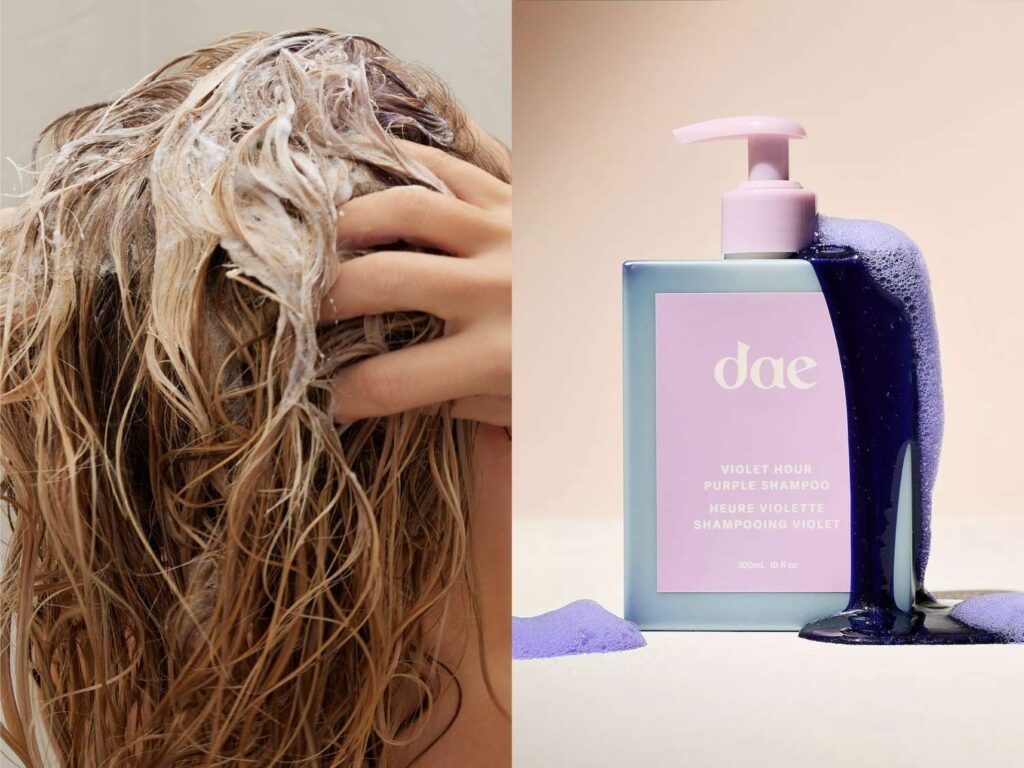
Source: instyle.com
| Product | Best For | Key Benefits | Approximate Price | Source |
| Olaplex No.4P Toning Shampoo | Overall & damaged hair | Bond repair, no purple tint, hydrates while toning | $32 | InStyle |
| Nexxus Blonde Assure Shampoo | Drugstore budget | Removes buildup, counters brass without over-toning | $18 | InStyle |
| Kérastase Blond Absolu Purple Shampoo | Brassy blonde | Eliminates brass, adds shine, and provides a clean rinse | $46 | InStyle |
| Amika Bust Your Brass | Hydration & highlights | Boosts moisture, reduces frizz, brightens | Varies | Glamour |
| Dae Violet Hour Purple Shampoo | Bleached hair | Quinoa protein prevents patchiness | $28 | InStyle |
These picks come from recent expert tests emphasizing brass neutralization without stripping.
Preparing Your Hair for Toning
Start with clean hair (use clarifying shampoo 24 hours before if buildup exists). Always do a strand test: apply toner to a small section, process, and check for color and damage. Avoid toning immediately after bleaching; wait 1–2 days for ammonia toners or use gentle purple shampoo right away. Protect skin with petroleum jelly around the hairline and wear gloves.
Step-by-Step Guide to Using Hair Toner at Home
Follow these 5 steps for safe, effective results.
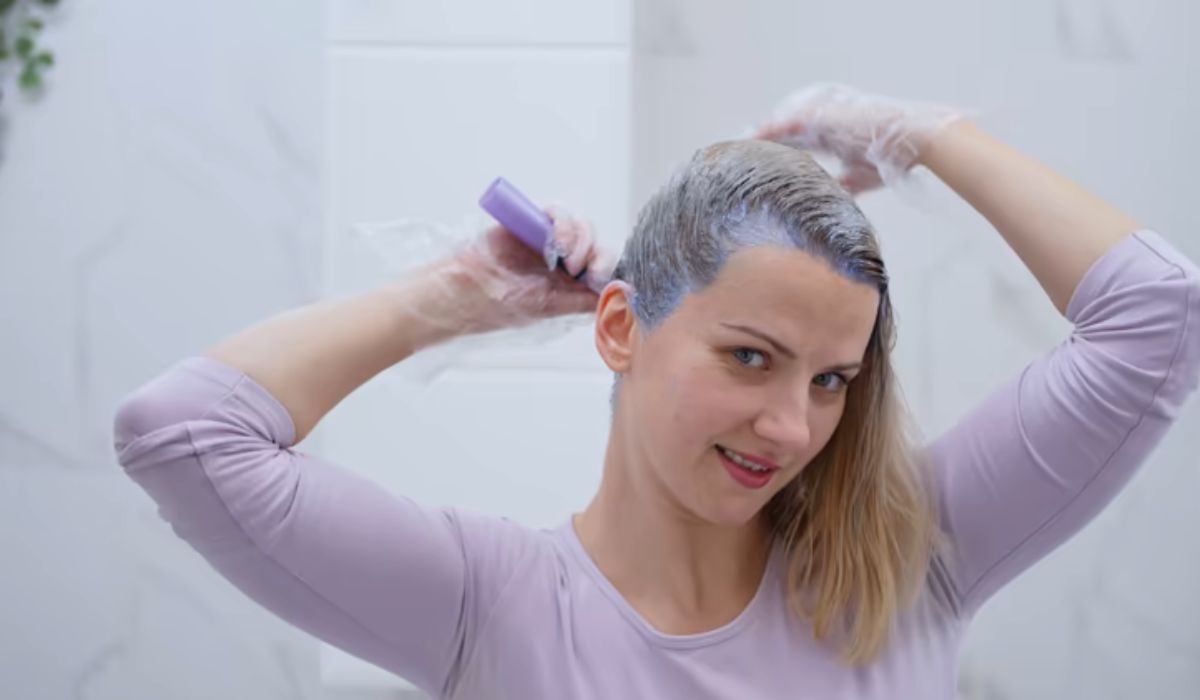
- Choose and Gather Supplies: Select based on your goal (purple shampoo for maintenance, gloss for correction). You’ll need the toner, bowl/brush (if mixing), gloves, towel, and conditioner.
- Section and Dampen Hair Work on damp (not soaking wet or dry) hair for even absorption. Section into 4–6 parts.
- Apply the Toner. Start at the back, focusing on brassy areas. Use fingers or a brush for glosses; massage in purple shampoo likea regular cleanser.
- Process Leave purple shampoo on 5–10 minutes (no longer to avoid tint). Glosses often take 20–30 minutes. Check every 5 minutes.
- Rinse and Condition Rinse with cool water until clear. Follow with a color-safe conditioner to seal the cuticle and boost shine.
Toning Different Hair Colors
- Blonde: Purple toners excel at removing yellow/orange brass for icy or beige results.
- Silver/Grey: Use purple or blue shampoos to maintain cool tones and prevent yellowing.
- Brown: Blue or ash toners neutralize red undertones for cooler depth.
Common Mistakes to Avoid
Leaving toner too long (leads to violet tint), applying on dry hair (uneven results), skipping strand tests, or using on un-pre-lightened dark hair (no effect). Over-washing or hot water accelerates fade.
Tips for Maintaining Brass-Free Hair
Wash less often with cool water, use sulfate-free color-safe products, apply heat protectant, and wear a hat in the sun. Re-tone every 1–4 weeks, depending on fade. For extra care, incorporate bond-building treatments.

Source: gkhair.com
Toning at home is empowering and cost-effective when done mindfully. You can achieve that fresh, brass-free look with consistency and gentle products. Start small: try a purple shampoo this week and see the difference. Your hair will thank you.
YOU MAY ALSO LIKE: How to Master Black Colour Lipstick: Explained